
How Small Businesses Are Using AI as a Competitive Advantage (and What Happens When They Don’t)
AI for Small Business: How Companies Use AI to Gain a Competitive Advantage
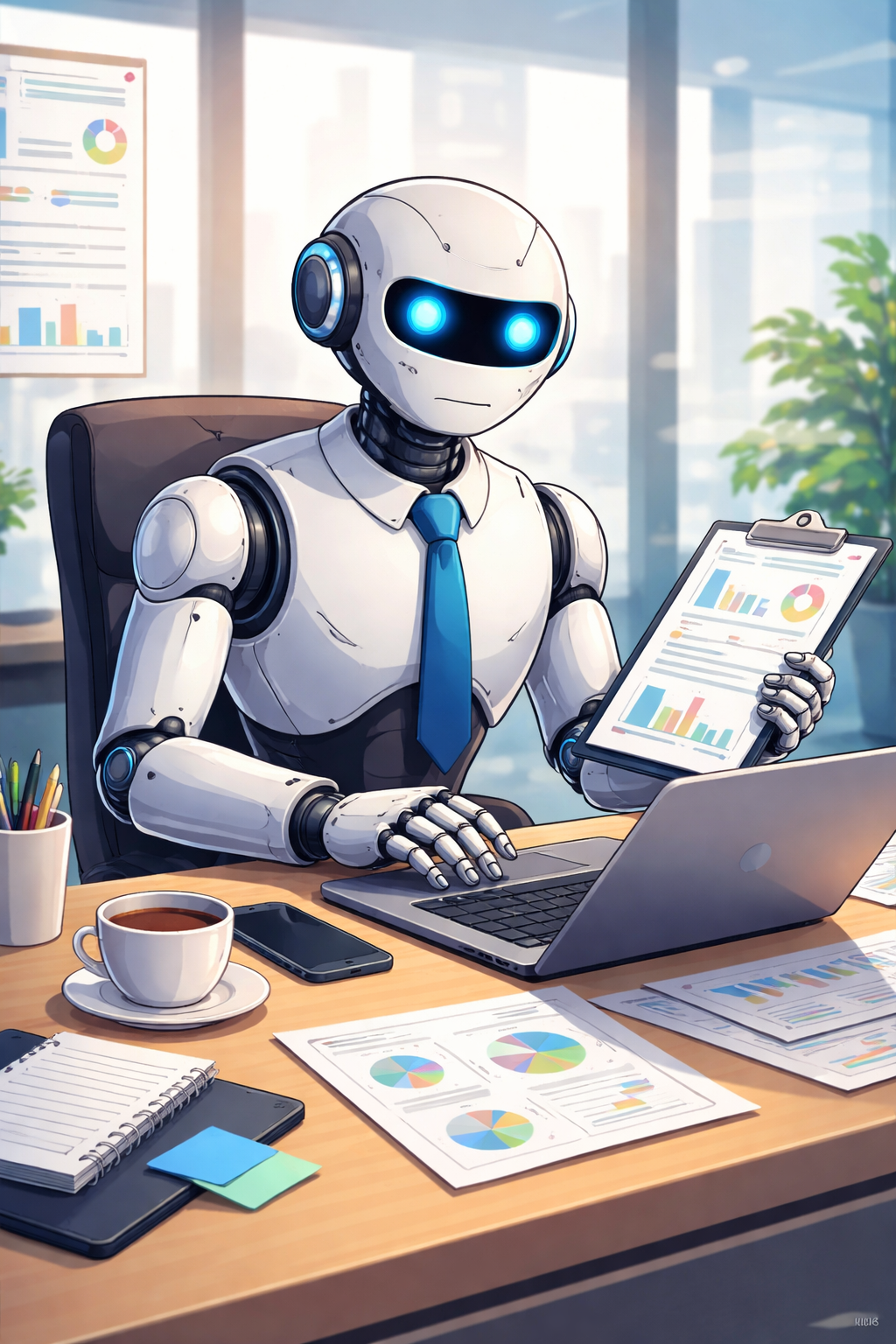
Small businesses have always had to do more with less. Limited headcount, tight budgets, and nonstop priorities can make it hard to keep up—especially when competitors are moving faster. That’s why AI for small business has become a real competitive advantage, not a trendy add-on.
Today, small companies are using AI to respond faster, reduce busywork, improve hiring, and run leaner operations. Meanwhile, businesses that aren’t adopting AI often get stuck in manual processes, slower customer response times, and higher administrative costs.
If you’re wondering how this applies to your people operations—HR, payroll, hiring, and compliance—this guide breaks down exactly where AI is helping small businesses win, and how to adopt it safely.
Why AI is a competitive advantage for small businesses
AI gives small businesses what larger companies have always had: leverage. Not by replacing people, but by removing repetitive work and speeding up decisions.
When used well, AI helps small businesses:
- Work faster without increasing headcount
- Reduce admin costs and human error
- Standardize processes (especially HR and onboarding)
- Deliver better customer and employee experiences
- Make smarter decisions using real-time insights
The end result is simple: AI adopters move quicker and operate cleaner than businesses doing everything manually.
7 ways small businesses are using AI to outperform competitors
1) Faster customer response times (without hiring more staff)
AI-powered chat tools, email drafting, and knowledge bases help small businesses respond quickly—even after hours.
Competitive advantage: Customers get answers faster, conversions increase, and fewer leads fall through the cracks.
Non-AI reality: Slower replies, missed follow-ups, and more “we meant to get back to them.”
2) Marketing that scales (with fewer hours)
Small businesses are using AI to draft:
- website copy and blog posts
- social media content
- email campaigns
- ad headlines and landing page variations
Competitive advantage: More consistent marketing output and quicker testing of what works.
Non-AI reality: Inconsistent posting and “marketing happens when we have time.”
3) Hiring and recruiting improvements
AI helps with:
- writing job descriptions
- screening resumes faster (with human review)
- organizing candidate notes
- creating interview question banks
- generating scorecards to reduce bias and keep hiring consistent
Competitive advantage: Faster hiring cycles and better candidate experience.
Non-AI reality: Longer time-to-hire, scattered interview processes, and lost candidates.
HR Tip: AI should support your hiring process—not make final decisions. Use it to speed up admin work, not to “auto-reject” applicants without oversight.
4) HR admin automation (the biggest hidden ROI)
This is where small businesses often see the fastest payoff. AI is being used to streamline:
- onboarding checklists and employee welcome flows
- policy drafting and handbook updates (with review)
- FAQ responses (“How do I request PTO?”)
- training outlines and manager scripts
- documentation templates for coaching conversations
Competitive advantage: A more professional HR function without building a large internal HR team.
Non-AI reality: HR tasks remain reactive, inconsistent, and time-consuming.
If you’re running lean, this is a major opportunity. AI can reduce time spent on repetitive HR tasks while improving consistency and documentation.
5) Payroll and timekeeping support
AI can help reduce payroll errors by:
- flagging anomalies (missing punches, unusual overtime spikes)
- summarizing time and attendance trends
- creating clear employee communications about payroll policies
- helping managers understand scheduling and labor patterns
Competitive advantage: Fewer payroll issues, fewer employee complaints, better labor planning.
Non-AI reality: Payroll fire drills, manual audit trails, and costly mistakes.
6) Operations: fewer mistakes and smoother workflows
Small businesses are using AI to:
- generate SOPs (standard operating procedures)
- summarize meetings into action items
- create checklists for recurring processes
- analyze customer feedback and support tickets
Competitive advantage: Better operations without the overhead of full-time process improvement roles.
Non-AI reality: Tribal knowledge, inconsistent processes, and avoidable errors.
7) Smarter decisions with better data (even if you’re not “data people”)
AI can turn messy information into useful insights—without needing an analyst. Examples:
- “What are our biggest causes of turnover?”
- “Which roles have the highest overtime?”
- “What training topics come up most often?”
- “Where are we seeing repeated employee relations issues?”
Competitive advantage: Leaders spot patterns earlier and act faster.
Non-AI reality: Decisions rely on gut feel and problems get addressed only after they escalate.
What businesses risk when they don’t use AI
Not using AI doesn’t mean you’re “behind” morally—it just means your competitors may be operating with more leverage.
Common disadvantages for non-adopters:
- slower response times and missed leads
- more admin hours spent on repeat tasks
- inconsistent HR practices and documentation
- longer hiring cycles and weaker candidate experience
- more errors in payroll/timekeeping workflows
- less visibility into workforce trends
Over time, these gaps show up as higher costs, lower retention, and slower growth.
How to adopt AI safely in a small business (especially for HR)
AI is powerful, but you need guardrails—particularly when dealing with employee information.
Best practices:
- Start with low-risk tasks: drafts, outlines, checklists, internal FAQs
- Keep humans accountable: AI supports decisions; people make them
- Avoid uploading sensitive info: don’t paste SSNs, medical details, or private employee issues into public tools
- Document your process: especially for hiring, discipline, and performance management
- Train your managers: the biggest risk isn’t AI—it’s inconsistent use by leaders
If you want to use AI in HR responsibly, set clear rules so your business gets the benefit without creating compliance risk.
Final take: AI won’t replace small businesses—small businesses using AI will
AI isn’t about becoming a tech company. It’s about removing friction from your operations so you can compete with faster, cleaner execution.
If you’re a small business owner and you feel like you’re drowning in admin tasks, inconsistent HR practices, or hiring delays, AI can be a real advantage—especially when implemented responsibly.